
"san marco"
500 article(s) found

What are the producing areas of Guatemalan coffee beans in volcanic geology
Rising to 2000 meters (6500 feet), with dense shade and unique ecology, the nearby Fuego volcano erupts, making its coarse, sandy soil rich in a variety of minerals. Temperate sea breezes from the Pacific and a seasonal climate allow coffee in this region to be dried by sunlight and processed according to traditional family methods that have been accumulated over the years. [characteristics] obvious acidity, dry

Introduction of eight different producing areas of coffee beans in Guatemala
The Ekatlago Valley is 2000 meters (6500 feet) above sea level, with dense shade and unique ecology. The nearby Fuego volcano erupts, making its coarse, sandy soil rich in a variety of minerals. Temperate sea breezes from the Pacific and a seasonal climate allow coffee in this region to be dried by sunlight and processed according to traditional family methods that have been accumulated over the years. [special]
Characteristics and attributes of coffee from eight major producing areas of Guatemala
The Ekatlago Valley is 2000 meters (6500 feet) above sea level, with dense shade and unique ecology. The nearby Fuego volcano erupts, making its coarse, sandy soil rich in a variety of minerals. Temperate sea breezes from the Pacific and a seasonal climate allow coffee in this region to be dried by sunlight and processed according to traditional family methods that have been accumulated over the years. [characteristics]
Common sense of Coffee characteristics of Coffee in eight producing areas of Guatemala
The Ekatra Valley rises to 2000 meters (6500 feet), with dense shade and unique ecology, and the nearby Fuego volcano erupts, making its coarse, sandy soil rich in a variety of minerals. Temperate sea breezes from the Pacific and a seasonal climate allow coffee in this region to be dried by sunlight and processed according to traditional family methods that have been accumulated over the years. [characteristics]
Characteristics and attributes of coffee from eight major producing areas in Guatemala Guatemala
The Ekatlago Valley is 2000 meters (6500 feet) above sea level, with dense shade and unique ecology. The nearby Fuego volcano erupts, making its coarse, sandy soil rich in a variety of minerals. Temperate sea breezes from the Pacific and a seasonal climate allow coffee in this region to be dried by sunlight and processed according to traditional family methods that have been accumulated over the years. [characteristics]

Raminita Group's Flower God Coffee Antigua's top boutique coffee flavor introduction
Today, most of the coffee industry's production takes place in the south of the country. Guatemala has seven main coffee producing areas: Antigua (Antigua), Cobain (Coban), Lake Attilan (Atitlan), Vevetnango (Huehuetenango), Farahan Plateau (Fraijanes), Oriente (Oliente) and San Marco (San Mareos). Each region has its own climate change.

Coffee bean flavor characteristic attributes of coffee in eight major producing areas of Guatemala
The Ekatra Valley rises to 2000 meters (6500 feet), with dense shade and unique ecology, and the nearby Fuego volcano erupts, making its coarse, sandy soil rich in a variety of minerals. Temperate sea breezes from the Pacific and a seasonal climate allow coffee in this region to be dried by sunlight and processed according to traditional family methods that have been accumulated over the years. [characteristics]
Common important regions of Guatemala Detailed description Learn about the fine regions of Guatemala
The Akatango Valley rises to 2000 meters (6500 feet) above sea level, is densely shaded and ecologically unique, and the nearby Fuego volcano is a fault eruption, making its coarse, sandy soil rich in various minerals. Temperate sea breezes from the Pacific Ocean and seasonal climates allow this region's coffee to be sun-dried and processed by home-style traditional methods accumulated over the years. [Features]
What are the characteristics of Guatemalan coffee? Guatemalan coffee American specialty dangerous land
[guide] the Ekatlago Valley rises to 2000 meters (6500 feet), with dense shade and unique ecology, and the nearby Fuego volcano erupts, making its coarse, sandy soil rich in various minerals. Temperate sea breezes from the Pacific Ocean and seasonal climate have raised the Ekatangol Valley in Guatemala Guatemala to 2000 meters (6500 feet).
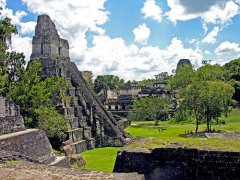
General knowledge of Fine Coffee beans characteristics of Coffee in eight producing areas of Guatemala
The Ekatra Valley rises to 2000 meters (6500 feet), with dense shade and unique ecology, and the nearby Fuego volcano erupts, making its coarse, sandy soil rich in a variety of minerals. Temperate sea breezes from the Pacific and a seasonal climate allow coffee in this region to be dried by sunlight and processed according to traditional family methods that have been accumulated over the years. [characteristics]
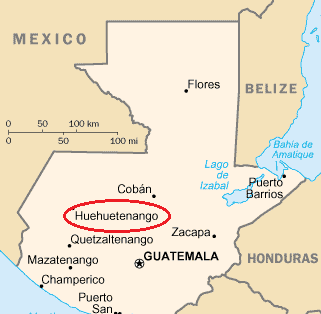
Starbucks dangerous Ma Antigua Coffee beans Guatemala Coffee beans Flavor characteristics Antigua Coffee beans
[guide] the Ekatlago Valley rises to 2000 meters (6500 feet), with dense shade and unique ecology, and the nearby Fuego volcano erupts, making its coarse, sandy soil rich in various minerals. Temperate sea breezes from the Pacific Ocean and seasonal climate have raised the Ekatangol Valley in Guatemala Guatemala to 2000 meters (6500 feet).

Guatemala Antigua coffee beans what is the best dessert for Guatemalan coffee
Professional baristas follow the Coffee Workshop (official Wechat account cafe_style) Chicua is a young manor situated on a volcanic hillside overlooking the magnificent Attilan Lake, a hilly paradise formed by magma from the centuries-old eruption of nearby volcanoes Atitland and San Pedro. The word Qigua Chicua comes from the Mayan Jiche language, which means there are
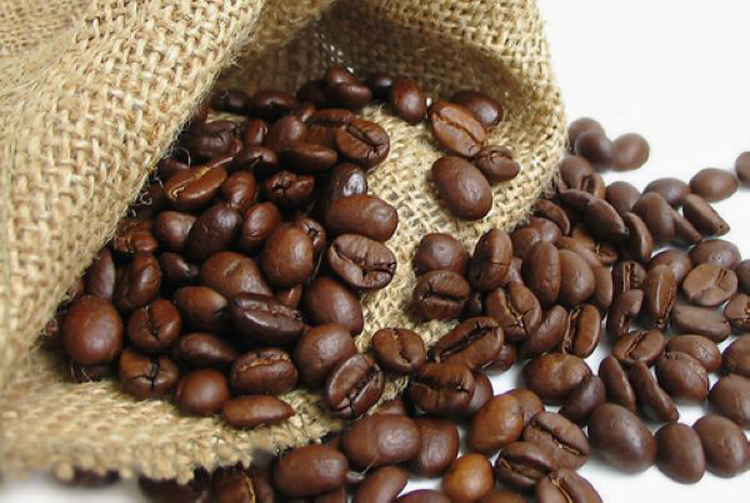
The tiny South Fruit / Guatemala / Coffee Bean / Vivetna Fruit is located in the Guatemala Micro South Fruit.
[guide] the Ekatlago Valley rises to 2000 meters (6500 feet), with dense shade and unique ecology, and the nearby Fuego volcano erupts, making its coarse, sandy soil rich in various minerals. Temperate sea breezes from the Pacific Ocean and seasonal climate have raised the Ekatangol Valley in Guatemala Guatemala to 2000 meters (6500 feet).

World Coffee Tour | Guatemala with charming smoky flavor
| planting history Guatemala is located in Central America, which has a unique geographical environment, which is linked to North America in the north and bordering South America in the south. Facing the Caribbean Sea and the Gulf of Mexico, the climate is relatively hot and humid, and it has always been an important coffee producing area in the world. Guatemala knew how to grow and drink coffee as early as 1747, and in 1750, the god Jesuit
Beautiful Guatemalan coffee bean growing environment exquisite Guatemalan coffee
Guatemalan coffee is produced in the The Republic of Guatemala countries of northwestern Central America. The country's mountain forest area accounts for 2/3 of the national area, rich in high-quality coffee beans, its strong sour taste, mellow taste and slightly wild, can be used as a single drink or for the preparation of comprehensive coffee. Guatemalan coffee taste: bitter and fragrant, good taste. Highland

How to drink Guatemalan coffee beans with different characteristics of coffee in eight producing areas of Guatemala
The Ekatlago Valley is 2000 meters (6500 feet) above sea level, with dense shade and unique ecology. The nearby Fuego volcano erupts, making its coarse, sandy soil rich in a variety of minerals. Temperate sea breezes from the Pacific and a seasonal climate allow coffee in this region to be dried by sunlight and processed according to traditional family methods that have been accumulated over the years. [characteristics]
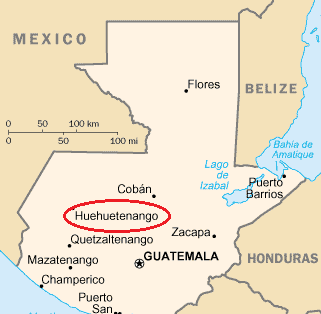
ILLY Italian Arabica coffee beans (Guatemala) Starbucks Guatemala Antigua Coffee
[guide] the Ekatlago Valley rises to 2000 meters (6500 feet), with dense shade and unique ecology, and the nearby Fuego volcano erupts, making its coarse, sandy soil rich in various minerals. Temperate sea breezes from the Pacific Ocean and seasonal climate have raised the Ekatangol Valley in Guatemala Guatemala to 2000 meters (6500 feet).
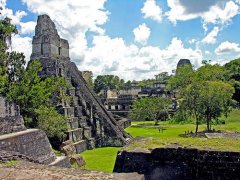
Characteristics and attributes of coffee from eight major producing areas of high-quality coffee beans in Guatemala
The Ekatra Valley rises to 2000 meters (6500 feet), with dense shade and unique ecology, and the nearby Fuego volcano erupts, making its coarse, sandy soil rich in a variety of minerals. Temperate sea breezes from the Pacific and a seasonal climate allow coffee in this region to be dried by sunlight and processed according to traditional family methods that have been accumulated over the years. [characteristics]

Flavor and aroma characteristics of boutique coffee beans at La Tisa Manor in Guatemala Jane
Antigua Flower God comes from the high altitude in the center of Antigua volcanic area. Costa Rica's famous Raminita Manor provides the industry's highest standard of planting and processing technology, and directly sends personnel to Antigua to participate in quality control, and entrusts Antigua's largest and best-equipped Bastol washing treatment plant (Pastores mill) to do the highest standard of post-harvest treatment.
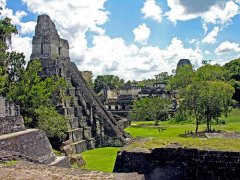
Characteristics and attributes of Coffee in eight Coffee producing areas of Guatemala in the World Coffee producing area
The Ekatlago Valley is 2000 meters (6500 feet) above sea level, with dense shade and unique ecology. The nearby Fuego volcano erupts, making its coarse, sandy soil rich in a variety of minerals. Temperate sea breezes from the Pacific and a seasonal climate allow coffee in this region to be dried by sunlight and processed according to traditional family methods that have been accumulated over the years. [characteristics]